
Keeping Your Home Safe and Comfortable Throughout the Pacific Northwest
Fireplaces create warmth, comfort, and atmosphere, especially during the colder and wetter months common throughout the Pacific Northwest. Whether wood-burning or gas, fireplaces are often the centerpiece of a home during fall and winter. However, like any heating system, fireplaces should be used and maintained properly to help ensure safe operation.
Regular inspections, proper usage, and preventative maintenance all play an important role in protecting your home, family, and property.
Here are five important fireplace safety tips every homeowner should keep in mind.
1. Schedule Regular Fireplace Inspections
One of the most important steps in fireplace safety is having the system professionally inspected on a regular basis. Over time, components can wear down, venting systems can develop issues, and buildup can occur within the fireplace or chimney.
Professional inspections help identify:
- Venting problems
- Gas connection concerns
- Damaged components
- Excessive buildup or blockage
- General performance and safety issues
Routine inspections help ensure the fireplace continues operating safely and efficiently year after year.
2. Keep Flammable Materials Away From the Fireplace
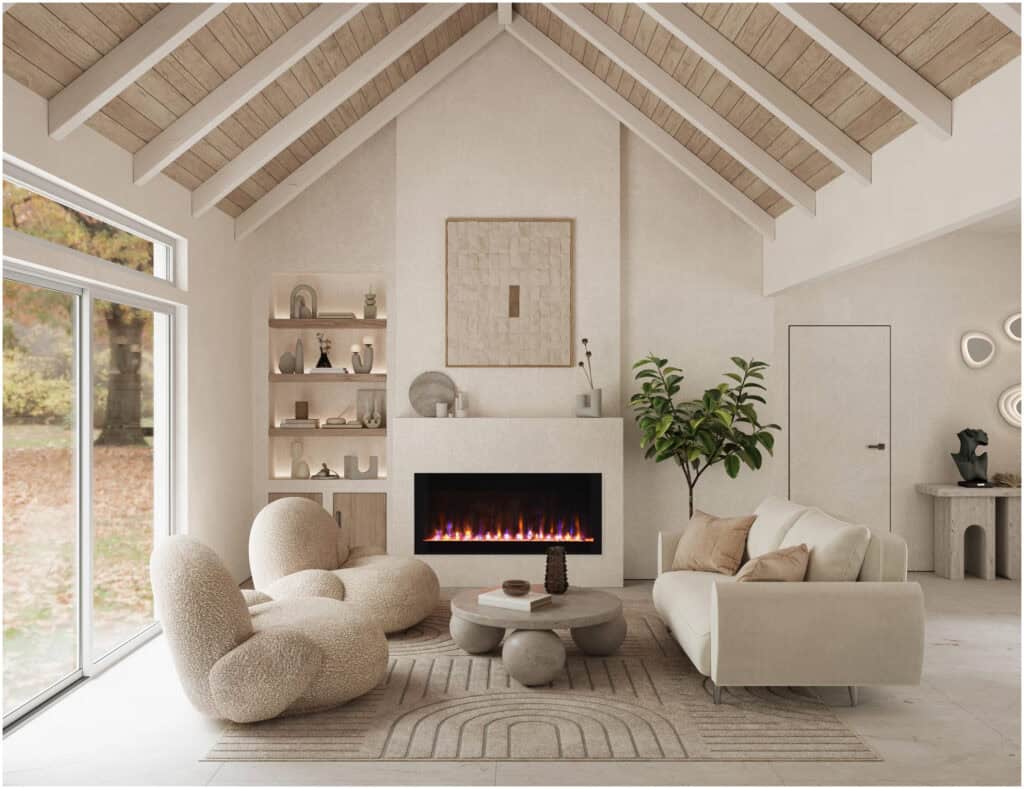
Furniture, blankets, paper, decorations, and other combustible materials should always be kept a safe distance from the fireplace opening.
Even gas fireplaces produce significant heat, and placing flammable items too close to the unit can create unnecessary fire risks.
Homeowners should also avoid storing boxes, wood, or household items directly against the fireplace or surrounding vent areas.
3. Never Ignore Unusual Smells or Performance Issues
If a fireplace begins producing unusual odors, excessive soot, smoke, or inconsistent flames, it should be inspected as soon as possible.
Warning signs may include:
- Difficulty starting the fireplace
- Strange noises during operation
- Strong gas odors
- Smoke entering the room
- Soot buildup around the unit
These issues may indicate ventilation problems, component wear, or gas system concerns that should be addressed by a trained professional.
4. Install and Maintain Carbon Monoxide Detectors
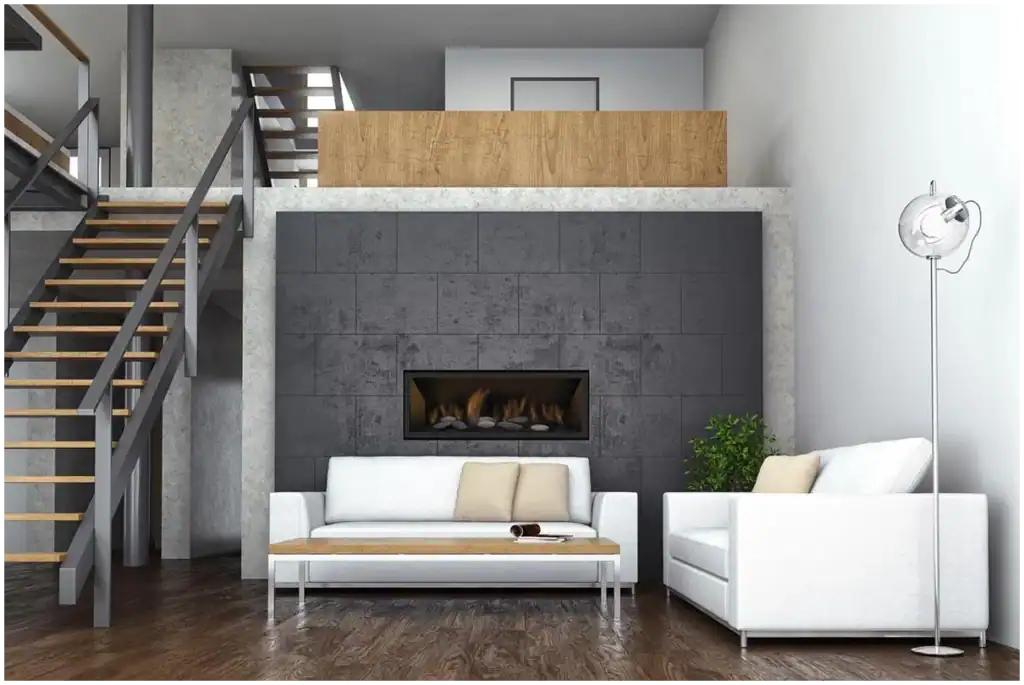
Carbon monoxide detectors are an important safety feature in any home with a fireplace or fuel-burning appliance.
Homeowners should:
- Install detectors near sleeping areas
- Test detectors regularly
- Replace batteries as needed
- Replace outdated units according to manufacturer recommendations
Carbon monoxide is odorless and difficult to detect without proper monitoring equipment, making functional detectors extremely important for overall household safety.
5. Use the Fireplace Exactly as Intended
Every fireplace system is designed for specific fuel types and operating conditions. Homeowners should always follow manufacturer guidelines and avoid using materials or fuels not intended for the unit.
For gas fireplaces, this includes:
- Avoiding unauthorized modifications
- Keeping vents clear
- Using approved components only
- Scheduling professional maintenance when needed
Using the fireplace correctly helps improve efficiency, performance, and long-term safety.
A properly maintained fireplace provides warmth, comfort, and peace of mind throughout the Pacific Northwest’s cooler seasons. With routine inspections and safe operating habits, homeowners can enjoy their fireplace confidently for years to come.
Cressy Door & Fireplace proudly provides fireplace installation, maintenance, inspections, and service for homeowners throughout Seattle and the Pacific Northwest.