Lifespan Expectations for Homes and Businesses in Seattle and the Pacific Northwest
Garage doors are one of the most frequently used mechanical systems in any building. In many homes, the garage door serves as the primary entry point, opening and closing several times each day. In commercial buildings, warehouse doors and overhead doors may operate dozens of times daily.
Because of this constant use, garage doors are engineered for durability. However, no mechanical system lasts forever. Springs wear out, hardware loosens, motors age, and weather exposure gradually impacts performance.
For property owners throughout Seattle, Bellevue, Tacoma, Everett, and the greater Pacific Northwest, environmental conditions can also influence how long garage door systems last. Rain, humidity, and seasonal temperature swings can accelerate wear if doors are not properly maintained.
Understanding the average lifespan of garage doors, openers, and hardware components can help homeowners and business owners plan for repairs or replacement before unexpected failures occur.
How Long Does a Residential Garage Door Last?
Most modern residential garage doors last 15 to 30 years when properly maintained.
However, the actual lifespan depends on several factors including construction quality, usage patterns, and environmental exposure.
Garage doors made from materials such as:
• Steel
• Aluminum
• Wood
• Composite materials
can all provide decades of reliable service when installed correctly and serviced regularly.
Homes in the Seattle area often experience higher moisture levels and damp winters, which means metal components may require more frequent inspections to prevent rust and corrosion.
A garage door that receives annual maintenance and occasional minor repairs will often last significantly longer than one that is ignored until problems occur.
How Long Do Garage Door Openers Last?
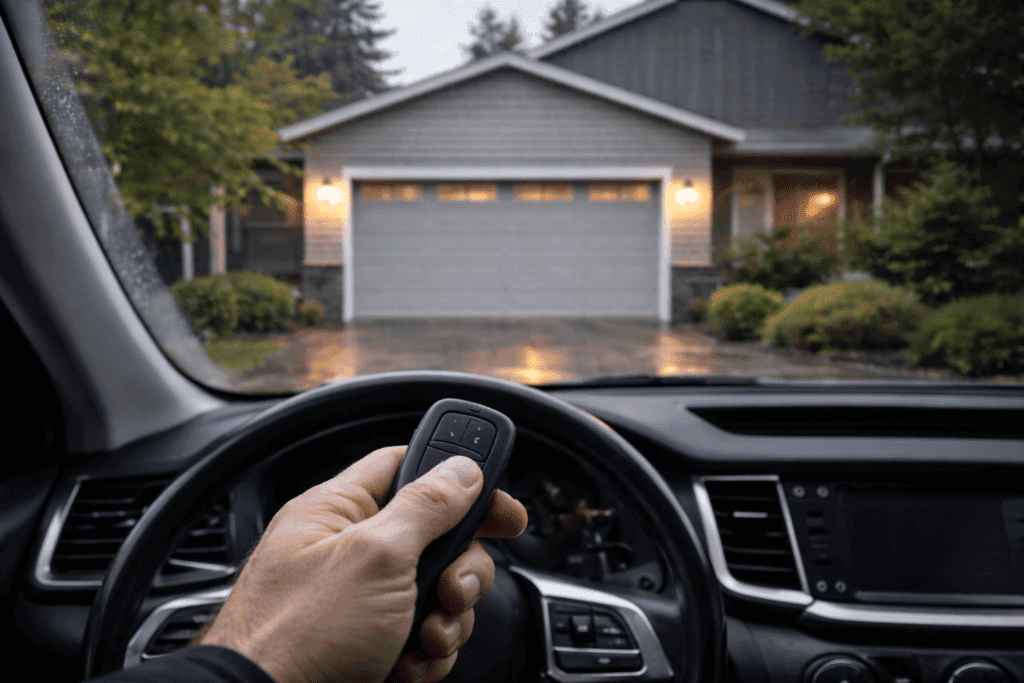
While the garage door itself may last decades, the opener system typically has a shorter lifespan.
Most garage door openers last 10 to 15 years under normal residential use.
Several factors influence opener longevity:
• Motor quality
• Drive system type (belt, chain, or screw drive)
• Door balance and weight
• Maintenance and lubrication
• Frequency of daily use
If the door becomes unbalanced due to worn springs or hardware, the opener motor must work harder than intended. Over time, this strain can cause the motor or drive system to fail prematurely.
Many homeowners first realize their opener is aging when the system becomes noisier, slower, or inconsistent during operation.
How Long Do Commercial Garage Doors Last?
Commercial and industrial overhead doors are designed for heavier use, but they also endure significantly more wear.
Depending on the environment and usage level, commercial garage doors may last 10 to 20 years, though individual components often require replacement much sooner.
For example:
• High-cycle torsion springs may last 7–10 years
• Rollers and bearings may require replacement after several years
• Tracks and hinges may require periodic adjustment
• Door panels may experience wear from heavy use or equipment contact
In commercial environments such as warehouses, service bays, and delivery facilities, doors may open and close hundreds of times each week, which increases mechanical stress.
Because downtime can interrupt operations, many businesses schedule preventative maintenance programs to extend equipment life.
The Impact of Daily Usage
Garage door lifespan is strongly influenced by cycle count, which refers to how many times the door opens and closes.
Typical residential use:
• 3–5 cycles per day
• Roughly 1,500 cycles annually
Commercial use may exceed:
• 10,000 cycles per year
Because springs and hardware are rated for specific cycle limits, high-use doors will naturally wear out faster.
For homeowners with multiple drivers or families that frequently enter through the garage, cycle counts can increase significantly.
Pacific Northwest Weather and Garage Door Wear
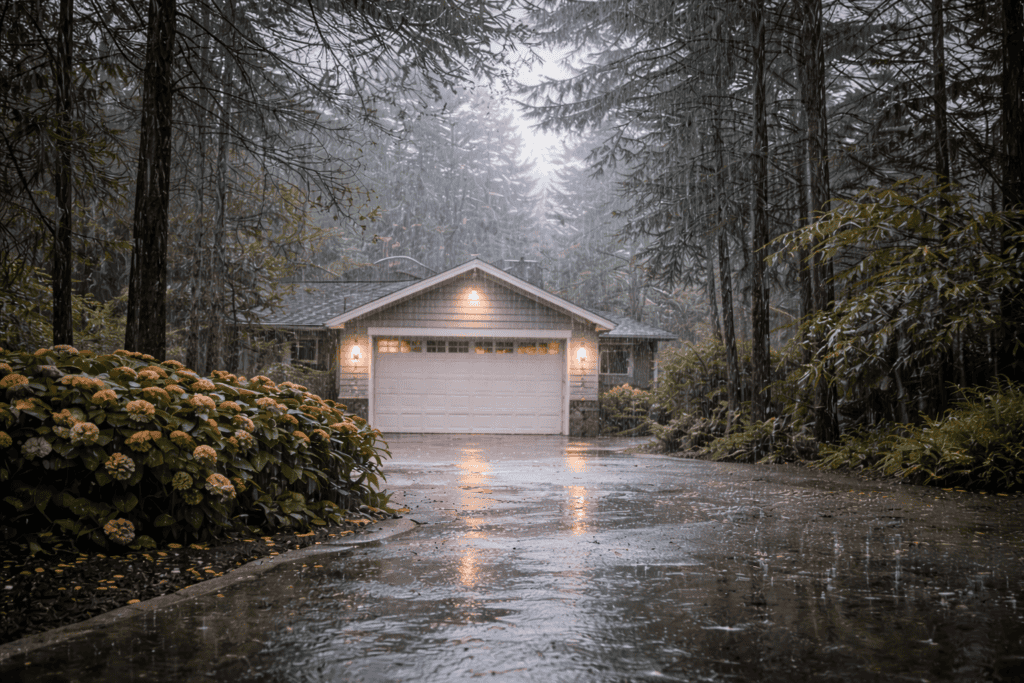
The Pacific Northwest presents unique environmental conditions that can influence garage door performance.
Common regional factors include:
• Frequent rain and humidity
• Seasonal temperature swings
• Moisture buildup around tracks and hardware
• Wind exposure during winter storms
These conditions can contribute to:
• Rust forming on springs and rollers
• Expansion and contraction of metal components
• Deterioration of rubber weather seals
• Increased friction in moving parts
Regular maintenance is especially important in Seattle and surrounding communities where moisture exposure is common throughout the year.
Signs Your Garage Door May Be Near the End of Its Lifespan
Even well-maintained garage doors eventually reach a point where replacement becomes more practical than repair.
Warning signs may include:
• Increasingly loud operation
• Repeated mechanical failures
• Sagging or uneven movement
• Visible rust or corrosion
• Cracked or damaged panels
• Difficulty finding replacement parts
If a door requires multiple significant repairs within a short time period, replacement may often be the most cost-effective option.
A professional inspection can help determine whether repairs will extend the system’s life or if upgrading the door makes more sense.
When Garage Door Repair Still Makes Sense
Not every garage door problem requires full replacement.
Many common issues can be resolved through targeted repairs such as:
• Replacing worn springs
• Installing new rollers
• Adjusting door balance
• Realigning tracks
• Replacing damaged weather seals
If the door structure itself is still in good condition, repairing individual components can restore safe and reliable operation.
A trained technician can evaluate the door system and recommend the best long-term solution.
Advantages of Installing a New Garage Door
When a garage door reaches the end of its service life, upgrading to a modern system can provide several benefits.
Newer doors often offer:
• Improved safety features
• Quieter operation
• Better insulation for energy efficiency
• Smart opener technology
• Updated curb appeal for residential homes
For commercial buildings, modern overhead doors can also improve operational efficiency and reduce maintenance costs.
Preventing Premature Garage Door Wear
One of the most effective ways to extend the life of a garage door is through preventative maintenance.
Recommended maintenance practices include:
• Annual professional inspections
• Lubricating rollers and hinges
• Checking spring tension and balance
• Keeping tracks clean and aligned
• Addressing minor repairs early
Routine service helps ensure garage doors continue operating safely while preventing small issues from turning into larger mechanical failures.
Planning Ahead for Garage Door Replacement
Garage doors can last decades, which means many homeowners do not think about replacement until something breaks unexpectedly.
Planning ahead allows property owners to explore modern options, compare styles, and choose systems that improve both functionality and appearance.
Understanding the expected lifespan of garage doors and openers helps homeowners and businesses make informed decisions about maintenance, repair, and future upgrades.